AutoGuard Edge AI
Defender
Booting edge diagnostics ...
1%
AutoGuard AI
InnoVent 2026
Edge processing active
AI-Powered Predictive Maintenance

Catch the failure before it happensright at the edge.

AutoGuard reads engine temperature, vibration, and pressure signals as they're generated, scores failure risk locally on Raspberry Pi and ESP32 hardware, and tells your fleet team exactly which component to check - days before it would have failed on its own.

Core Models XGBoost · Isolation Forest
Data Foundation NASA CMAPSS Turbofan Set
Runs On Raspberry Pi · ESP32
Live Vehicle Feed Unit 04 · Online

Animated live vehicle diagnostic feed
Engine 85% risk Brakes 12% risk Battery 18% risk

Live Sensor Trace - Unit 04 LIVE
Engine Temp 94.2 °C
Nominal range
Failure Risk 85%
Engine bearings
RUL Estimate 15 days
Engine bearings
Live diagnostic preview
50ms
Avg. edge response time
99.9%
Platform uptime SLA
10K+
Vehicles monitored
40%
Avg. maintenance cost cut
System Architecture

One pipeline, from raw sensor to maintenance order.

Every reading moves through the same seven stages, in order - there's no step a vehicle's data can skip on its way from raw signal to a maintenance recommendation on the dashboard.

01
Vehicle Sensors
Temperature, vibration, RPM, oil pressure, battery voltage.
02
Data Acquisition
Continuous capture from onboard sensor arrays.
03
Data Processing
Cleaning, feature engineering, signal normalization.
04
ML Engine
Random Forest, XGBoost, Isolation Forest inference.
05
Failure Prediction
Per-component failure probability scoring.
06
Recommendation Engine
Specific, actionable maintenance instructions.
07
Fleet Dashboard
Centralized view across every monitored vehicle.
The Shift

Reactive maintenance guesses. Predictive maintenance knows.

Most fleets still run on a fixed service calendar or wait for a dashboard light. Neither actually tracks the part's real condition - this does.

Reactive / Calendar-based
  • Parts replaced on a fixed schedule, worn or not
  • Failures surface as a breakdown, not a warning
  • Diagnosis starts only after the vehicle is already in the shop
  • No visibility between scheduled inspections
AutoGuard / Condition-based
  • Parts replaced when sensor data shows real wear
  • Failure risk scored continuously, days ahead of impact
  • Every alert names the component and the fix
  • Edge inference keeps monitoring even offline
Remaining Useful Life

Know how many days a part has left - not just that it will fail.

Each tracked component carries a live countdown, so maintenance gets scheduled with lead time instead of guesswork.

Engine Bearings15d
Critical85% failure probability
Brake Pads20d
Monitor12% failure probability
Battery90d
Healthy18% failure probability
Built For Every Role

The same fleet, seen through four different lenses.

Each console loads scoped to what that role needs to act on - nobody wades through screens meant for someone else's job.

Vehicle Owner

Monitor your vehicle's health, get plain-language alerts, and track full maintenance history in one place.

Owner console

Fleet Manager

Oversee every vehicle at once with fleet-wide analytics, downtime reporting, and maintenance planning.

Manager console

Technician

Work an assigned inspection queue, update repair status, and view live diagnostics per vehicle.

Technician console

Service Manager

Coordinate service centers, assign technicians, and track operations across every location.

Service console
Console Access

One console, scoped to what each role needs to act on.

Pick a terminal to enter the dashboard with the right permissions already applied.

Expected Impact

Built to move maintenance from reactive to planned.

Economic

Lower downtime losses and reduced unplanned repair spend across the fleet.

Industrial

More reliable equipment and maintenance decisions grounded in live data.

Sustainability

Parts get replaced when they're actually worn - not early, not late.

Operational

Edge inference keeps warnings flowing even when connectivity drops.

Fleet Analytics

The distributions behind every alert on the dashboard.

These are the same aggregate views a Fleet Manager sees - where risk concentrates, how it spreads across components, and what it's done to downtime since rollout.

Fleet Health Distribution
10,412 vehicles monitored today
Healthy 68% Monitor 22% Critical 10%
Avg. Failure Risk by Component
Fleet-wide mean, trailing 30 days
Engine highest, Battery lowest
Unplanned Downtime, Before vs After
Monthly hours per 100 vehicles
Reactive baseline With AutoGuard
Trusted In The Field

Fleet teams don't adopt a dashboard - they adopt fewer surprises.

These accounts describe the kind of operational shift AutoGuard is designed to deliver for commercial and passenger fleets.

"We used to find out about a bearing failure when the driver called from the roadside. Now the alert lands two weeks earlier, with a part number attached."

Fleet operations lead headshot
Fleet Operations Lead
Last-mile delivery fleet, 180 vehicles

"Edge inference matters more than we expected. Our depots sit in low-signal zones, and the risk scores keep updating even when the network drops out."

Workshop service manager headshot
Workshop Service Manager
Regional truck service network

"Technicians stopped guessing which part to pull first. The queue is already ranked by remaining useful life, so triage takes minutes, not a full inspection."

Lead technician headshot
Lead Technician
City bus depot, 60-vehicle route fleet
Logistics Fleets Transit Authorities Rental & Leasing Service Networks OEM Pilot Programs
Fleet Compatibility

Built to fit the Tata Motors vehicle ecosystem.

AutoGuard's sensor mapping and RUL models are tuned for the platforms Indian commercial and passenger fleets already run - from last-mile CVs to SUVs and city buses. Swipe through each class for its indicative specifications.

5+
Vehicle classes modeled
12V / 24V
Electrical systems supported
OBD-II
& CAN bus signal mapping
Light Commercial Tata Ace light commercial vehicle
Tata Ace
Last-mile light commercial vehicle
12V · Diesel
Engine0.8L 2-cyl diesel
Power~43 hp
Payload~750 kg
Sensors MappedEngine, brakes, battery
Best fit: Urban last-mile delivery fleets running high daily stop-start cycles, where engine and brake wear needs the tightest RUL tracking.
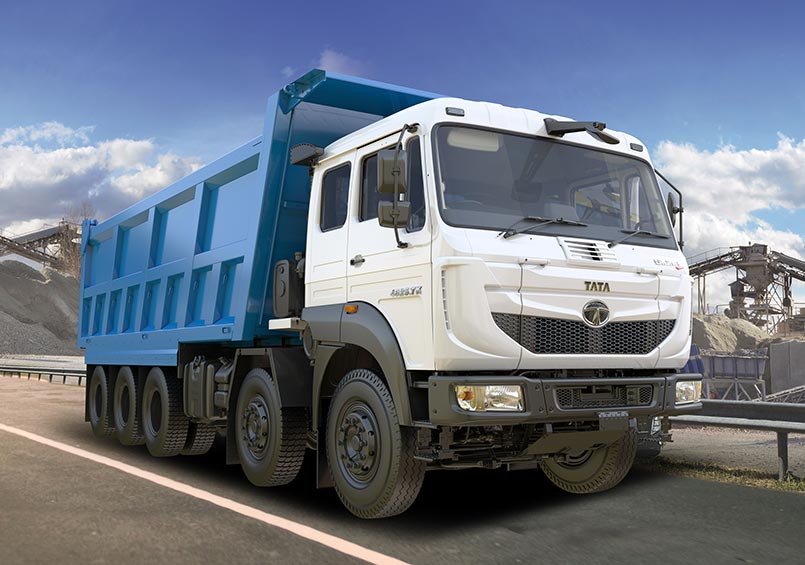
Heavy Trucks Tata Signa heavy truck
Tata Signa
Heavy-duty long-haul truck
24V · Long-haul
Engine5.0–6.7L turbo diesel
PowerUp to ~230 hp
GVW ClassUp to ~55T
Sensors MappedEngine, transmission, brakes
Best fit: Long-haul freight operators where an unplanned breakdown mid-route is the costliest possible failure mode.
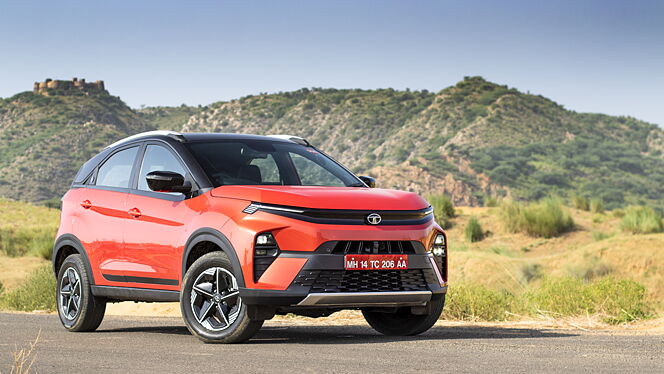
Compact SUV / EV Tata Nexon compact SUV
Tata Nexon
Compact SUV, petrol & EV variants
12V · EV-ready
Engine1.2L turbo petrol / EV
PowerUp to ~120 hp
EV RangeUp to ~465 km
Sensors MappedBattery pack, brakes, motor temp
Best fit: Mixed urban and highway commuting, and the reference platform for AutoGuard's EV battery-health scoring path.
SUV Platform Tata Harrier and Safari SUV platform
Tata Harrier & Safari
Family & long-distance SUV platform
12V · Diesel/Petrol
Engine2.0L turbo diesel
Power~170 hp
SeatingUp to 7
Sensors MappedEngine, suspension, brakes
Best fit: Personal and rental fleets doing longer highway runs, where suspension and engine RUL matter most for comfort and safety.
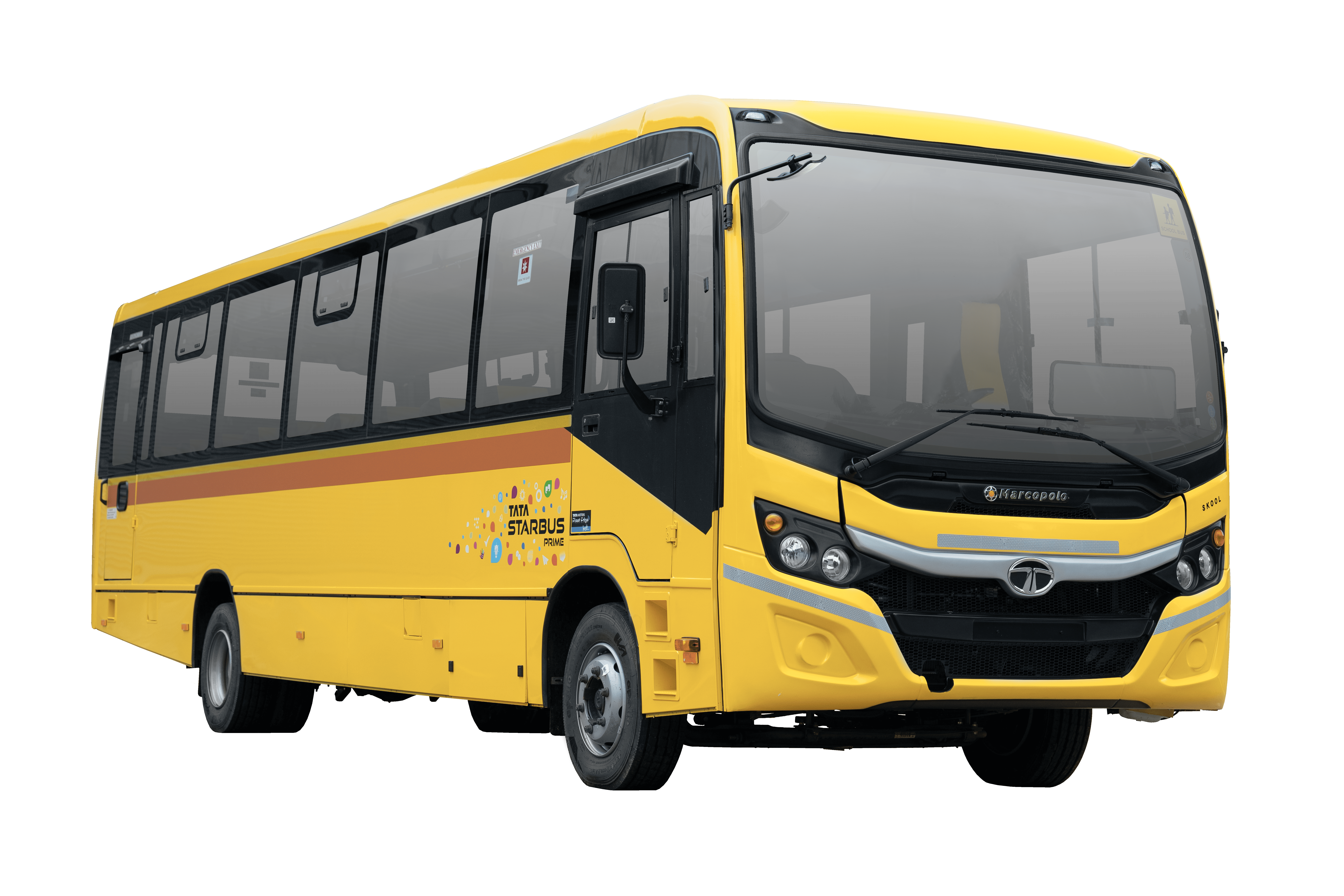
Passenger Transit Tata Starbus passenger transit bus
Tata Starbus
City & intercity passenger transit
24V · Fleet-scale
Engine3.3–5.7L diesel/CNG/electric
Seating32–72 passengers
Duty CycleHigh daily utilization
Sensors MappedEngine, brakes, HVAC load
Best fit: Municipal and intercity operators where a single breakdown disrupts a published schedule across an entire route.
OBD-II & CAN mapping
Reads standard diagnostic PIDs alongside raw CAN frames for deeper fault codes.
12V & 24V electricals
Same sensor board covers passenger cars and heavy-duty commercial electricals.
Retrofit-friendly harness
Clips onto existing wiring looms - no changes needed to factory ECUs.
Built for Indian road & climate
Thresholds tuned for local heat, dust, and duty-cycle load patterns.
Vehicle names and specifications are shown to indicate the platform classes AutoGuard's sensor schema targets and are indicative, not manufacturer-certified figures. AutoGuard is an independent concept built for the Tata Technologies InnoVent 2026 hackathon and is not an official Tata Motors product.
Inside the console

A live diagnostic scan of every vehicle in your fleet.

This is the same scan your edge nodes run continuously - sweeping engine, brake, and battery zones, flagging anything trending toward failure before it shows up as a breakdown.

Vehicle Diagnostic Scan - Unit 04 LIVE
Healthy Monitor Critical
Live Bay Camera
LIVE
UNIT 04 Animated live vehicle diagnostic camera feed
Engine Bearings
85% failure probability
15d left
Brake Pads
12% failure probability
20d left
Battery
18% failure probability
90d left

Runs on the vehicle, not the cloud

Inference happens on Raspberry Pi and ESP32 hardware onboard, so warnings keep flowing even with no signal.

Trained on real degradation cycles

Models are built on the NASA CMAPSS turbofan dataset's run-to-failure trajectories, not synthetic labels.

Every alert ships with an action

No raw scores without context - each flag arrives with the specific inspection or part to check.

Know Your Vehicle

Small habits that add days back to a part's remaining life.

AutoGuard flags the failure - these are the everyday habits that slow the wear down in the first place. Swipe through, or let it play.

Tyres

Check pressure monthly, not just at inspection

Under-inflated tyres run hotter and wear the shoulders unevenly, which quietly shortens tread life and skews vibration readings.

Engine

Stick to the oil-change interval, even on light use

Oil degrades on a clock as much as a mileage counter - short trips in stop-start traffic age it faster than a highway run.

Brakes

Listen for the first squeal, don't wait for grinding

A squeal is the wear indicator doing its job. Grinding means the pad is gone and the rotor is already paying for it.

Battery

Terminals corrode faster in heat and humidity

A quick wipe-down of the terminals every service cuts resistance build-up that otherwise masquerades as a weak battery.

Cooling

Coolant loses its properties long before it looks dirty

Old coolant stops protecting against corrosion even when it's still the right colour - follow the interval, not the appearance.

Air Intake

A clogged air filter shows up as poor mileage first

Restricted airflow forces a richer fuel mix, so a fuel-economy dip is often the earliest sign, well before performance drops.

Suspension

New vibration on a familiar road is worth a look

Bushings and shocks degrade gradually, so drivers adapt without noticing - a sudden change is the more reliable signal.

Dashboard

A dashboard light rarely means "ignore me"

Amber usually means schedule a check soon; red usually means stop safely and check now. Treat the colour as the priority level.

Duty Cycle

Heavy loads and dusty routes shrink service intervals

Manufacturer intervals assume average conditions - fleets running heavier loads or dustier roads should service sooner, not later.

TEAM ASTRAA
The people behind the console

Empowering intelligent mobility through teamwork and technology.

Four disciplines, one console.

Sriya Bose Team Lead
Sriya Bose
Team Lead & AI/ML Developer
Model architecture & project direction

Owns the end-to-end ML strategy - from feature design on the CMAPSS dataset to keeping the model lightweight enough to run on-device. Sets technical direction across the team.

XGBoost Isolation Forest Model Optimization Project Leadership
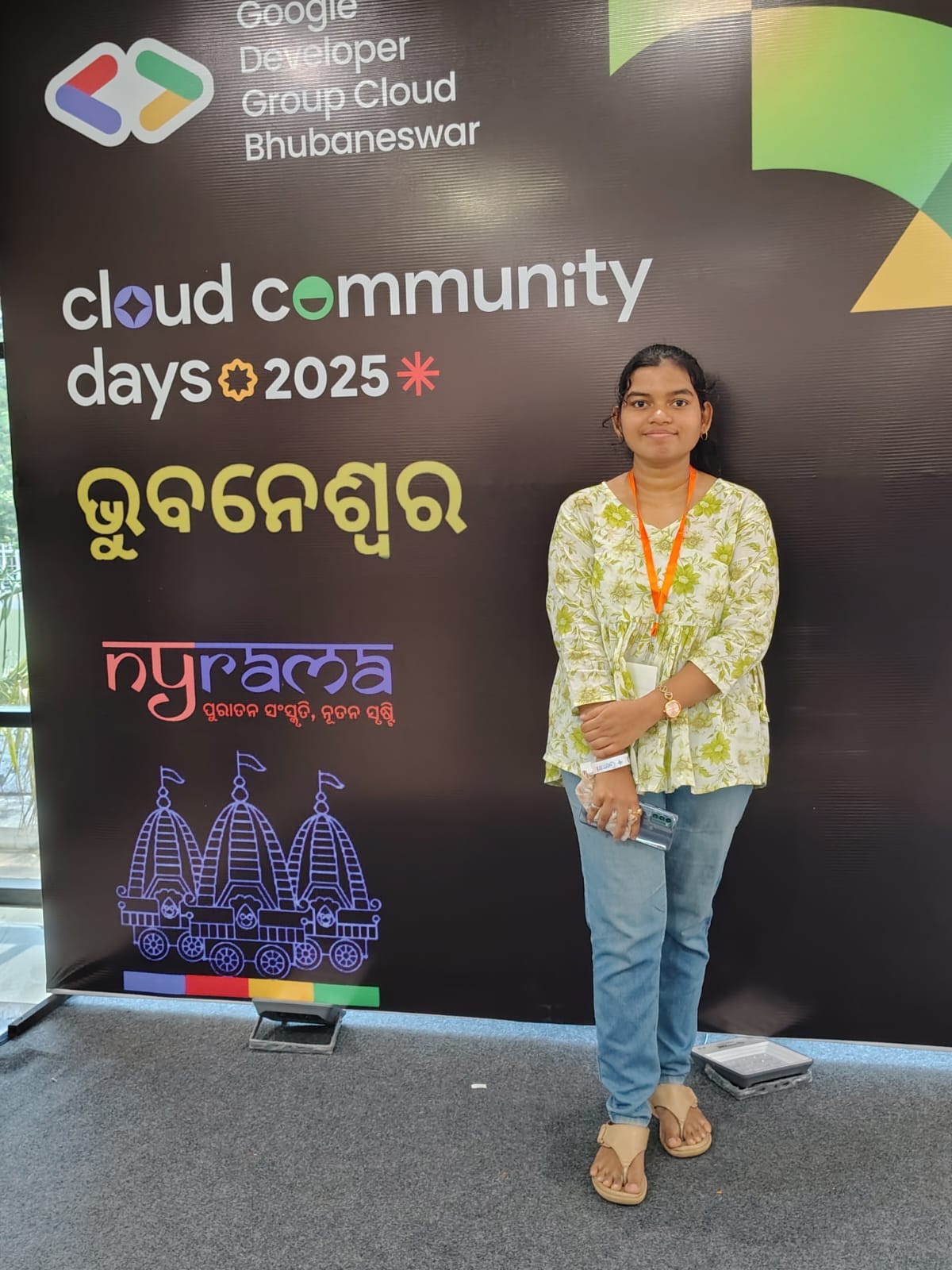
Sweta Smruti Rout IoT
Sweta Smruti Rout
IoT Developer
Sensor integration & edge hardware

Wires up the physical layer - vibration, temperature, and pressure sensors feeding into Raspberry Pi and ESP32 boards, tuned for reliable readings under real driving conditions.
ESP32 Raspberry Pi Sensor Calibration Embedded C
Gopalaxmi Mohanty AI/ML
Gopalaxmi Mohanty
AI/ML Developer
Predictive analytics & failure scoring

Builds and validates the failure-probability and remaining-useful-life models, translating raw telemetry into the confidence scores the console surfaces to fleet teams.

Python Scikit-learn Feature Engineering RUL Modeling
Rashmi Anand Full Stack
Rashmi Anand
Full Stack Developer
Dashboard, API & platform engineering

Builds the console itself - the role-based dashboards, the API layer connecting edge nodes to the fleet view, and the responsive front end you're using right now.

React Node.js REST APIs UI Engineering
United by Innovation. Driven by Excellence.